Arm Tattoo Design Fotos HautKunstwerk
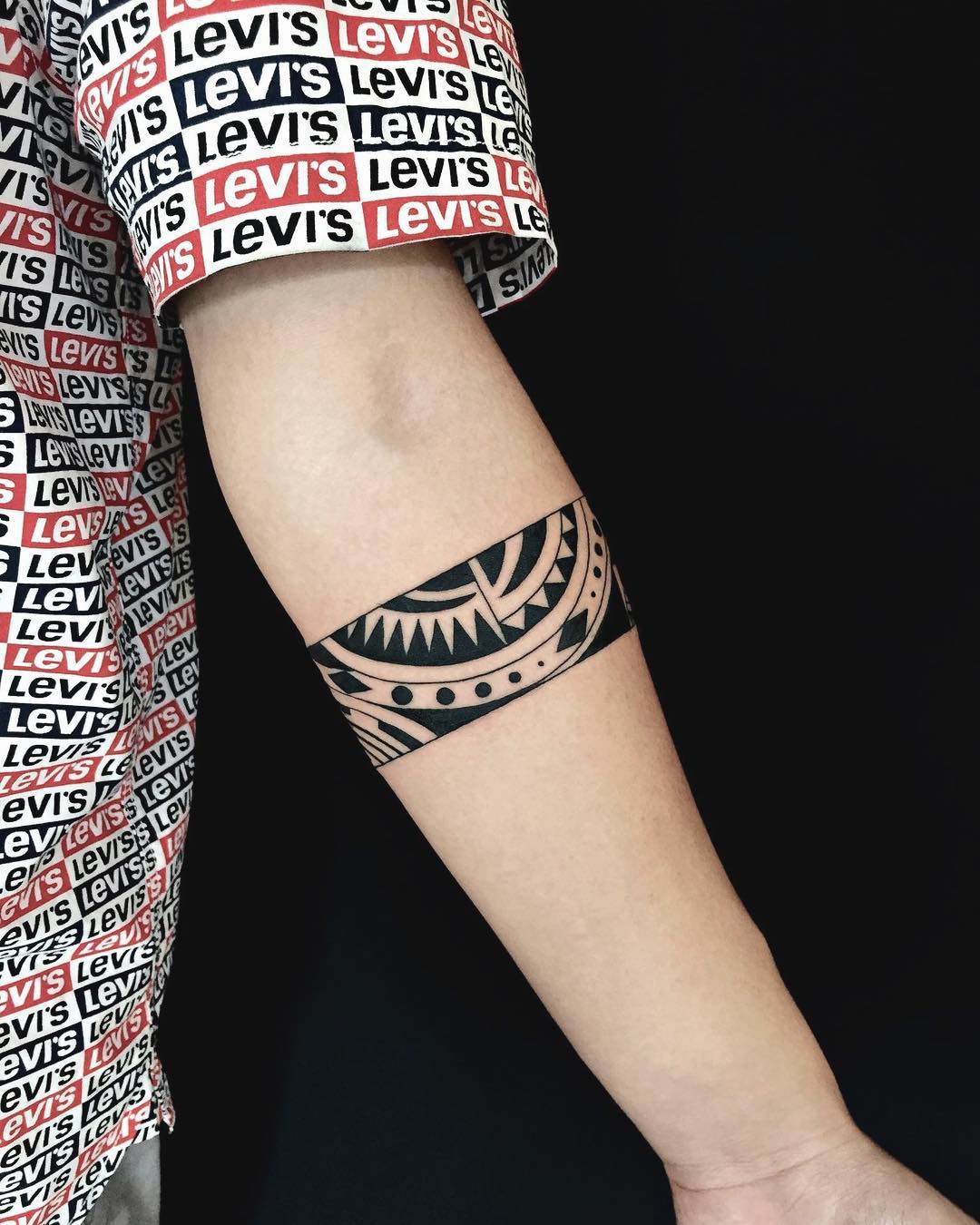
Okay heres a 2000word article inspired by the image you provided It explores themes of identity selfexpression cultural appropriation the history of tattoos and the evolving landscape of body art Article Ink Identity and the Stories We Tell Deconstructing a Modern Tattoo The photograph is striking in its simplicity a forearm adorned with a bold black armband tattoo contrasted against the chaotic pattern of a Levis logo shirt The juxtaposition invites a deeper exploration into the multifaceted meanings embedded within body art examining how tattoos function as narratives etched onto skin expressions of identity and potential points of cultural contention This image is a catalyst to discuss a far wider topic around cultural appropriation The Mark of Self Tattoos as Personal Narratives From the earliest civilizations to the present day tattoos have served as powerful forms of selfexpression For some the armband tattoo is a simple aesthetic choice a striking design that enhances their personal style However the permanence of ink suggests a deeper connection a resonance beyond mere ornamentation A tattoo is a conscious act of modifying the body a deliberate claiming of the skin as a canvas for personal storytelling In a world increasingly obsessed with manufactured identities and fleeting trends tattoos
offer a tangible lasting way to assert individuality They can represent significant life events commemorate loved ones embody personal beliefs or symbolize aspirations The act of choosing a design enduring the pain of the needle and permanently altering ones appearance is inherently empowering Its a declaration of selfownership a visual manifesto proclaiming This is who I am and this is what I value The armband in particular has a rich history across different cultures and time periods It can symbolize strength protection remembrance or connection to a specific group The geometric patterns within the band in this image might carry specific symbolic weight for the wearer perhaps drawn from Polynesian Celtic or other tribal art forms Understanding the wearers intention behind the specific design is crucial to truly appreciating the tattoos meaning Without that context we are left to interpret it through our own cultural lenses which can lead to misunderstandings and misinterpretations A Canvas of Culture The History of Tattoos Around the World To truly understand the significance of a modern tattoo its essential to acknowledge the rich and diverse history of body art across cultures Archaeological evidence suggests that tattooing dates back at least 5000 years with
mummified remains like tzi the Iceman bearing intricate markings Throughout history tattoos have played diverse roles Ancient Egypt Tattoos were primarily associated with women often used for medicinal purposes or as symbols of protection and fertility Polynesia Tattooing or tatau held profound cultural and spiritual significance Intricate patterns covered the entire body denoting lineage social status achievements and spiritual beliefs The process was a sacred rite of passage Indigenous Cultures of the Americas Tattoos were used for various purposes including tribal affiliation healing rituals and spiritual expression Japan Irezumi traditional Japanese tattooing evolved into a highly sophisticated art form often associated with the Yakuza These elaborate designs depicted mythological creatures historical figures and symbolic imagery Europe Tattoos were initially viewed with suspicion and associated with sailors criminals and marginalized groups However in the late 19th century tattoos gained popularity among European aristocracy leading to a brief period of fashionable acceptance The historical context reveals that tattoos are not merely superficial adornments but rather integral components of cultural identity social structure and spiritual practice Each culture developed its own unique style techniques and symbolism reflecting its distinct worldview and values Cultural Appropriation A Minefield
of Meanings The increasing popularity of tattoos in contemporary society has led to a complex and often controversial issue cultural appropriation The armband tattoo in the image with its potentially tribalinspired patterns is a prime example of this dilemma Cultural appropriation occurs when elements of a minority culture are adopted or used by members of the dominant culture often without understanding or respecting their original context and significance In the realm of tattooing this can manifest as the use of tribal designs religious symbols or traditional art forms by individuals who are not members of the culture from which they originate The ethical concerns surrounding cultural appropriation in tattoos are multifaceted Disrespect and Trivialization When cultural symbols are reduced to mere aesthetic trends their sacred or historical significance is diminished This can be deeply offensive to members of the originating culture Commodification Cultural appropriation can lead to the commodification of cultural heritage turning sacred symbols into marketable commodities devoid of their original meaning Power Imbalance Cultural appropriation often occurs in the context of unequal power dynamics where the dominant culture benefits from the appropriation while the minority culture may be marginalized or exploited Its important to note
that not all instances of cultural exchange are inherently harmful Genuine appreciation respect and understanding are essential distinctions If a person from outside a culture wishes to incorporate elements of that culture into their tattoo they should Educate themselves Thoroughly research the history meaning and significance of the design they are considering Seek guidance from members of the originating culture Consult with artists cultural experts or community leaders to ensure that their intentions are respectful and appropriate Avoid trivializing or misrepresenting the design Understand the symbolism and context and ensure that the tattoo accurately reflects its original meaning Acknowledge the source Be transparent about the origin of the design and give credit to the culture from which it originates The Levis Paradox Consumption and Identity The shirt in the image emblazoned with the Levis logo introduces another layer of complexity Levis a global brand synonymous with American culture represents a form of cultural homogenization It highlights the tension between individual expression and the pervasive influence of consumerism While the tattoo is a personal statement the shirt represents a massproduced identity a participation in a global consumer culture The contrast underscores the inherent paradox of seeking
individuality within a system that promotes conformity The Evolving Landscape of Body Art Despite the ethical challenges and commercial influences tattoos continue to evolve as a powerful form of artistic expression and personal identity The modern tattoo industry has embraced a diverse range of styles techniques and philosophies Realism Hyperrealistic portraits landscapes and other images Watercolor Soft ethereal designs that mimic the look of watercolor paintings Geometric Intricate patterns and shapes that emphasize symmetry and precision NeoTraditional A modern take on classic tattoo styles incorporating bold lines and vibrant colors Blackwork Bold graphic designs that utilize black ink extensively The rise of social media has further transformed the tattoo landscape allowing artists to showcase their work connect with clients and build global communities Tattoo conventions and festivals provide opportunities for artists and enthusiasts to gather share ideas and celebrate the art form Conclusion A SkinDeep Conversation The image of the forearm adorned with a striking armband tattoo and juxtaposed against the Levisclad arm is a powerful reminder of the complex relationship between ink identity culture and consumerism The image presents a snapshot of how tattoos are interpreted in todays world The exploration of this image invites
us to consider The stories we tell with our bodies The cultural significance of tattoos throughout history The ethical considerations surrounding cultural appropriation The interplay between individual expression and consumer culture The evolving landscape of body art in the 21st century Tattoos are more than just ink on skin They are reflections of our inner selves narratives etched onto our bodies and expressions of our place in the world By understanding the history symbolism and cultural context of tattoos we can engage in more meaningful conversations about identity selfexpression and the stories we choose to tell with our bodies They invite us to consider what we leave behind when we are long gone from this earth
Download Image:
click download
and right mouse click and Save image As...on new page


Komentar
Posting Komentar