TATO BUNGA TERONG KHAS DAYAK SEMIPERMANENT Lazada Indonesia
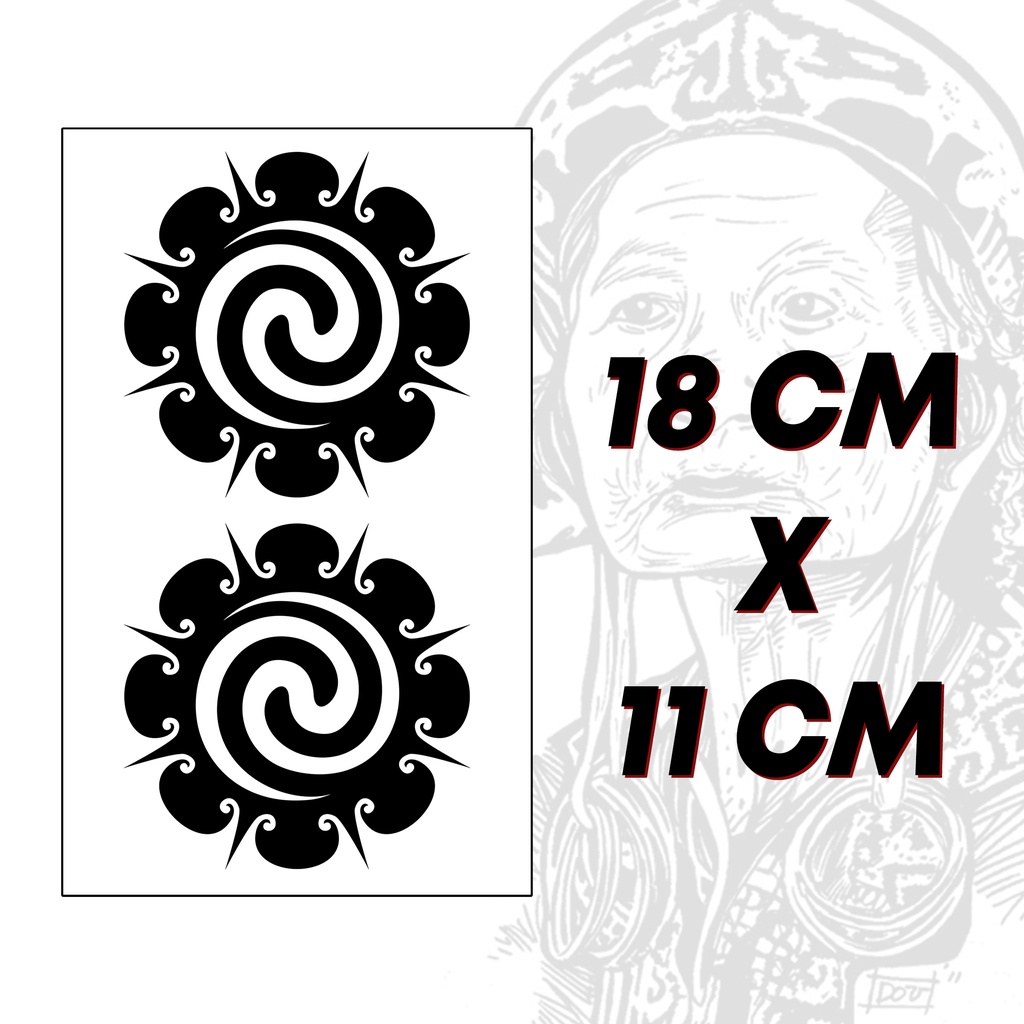
The Art of Mark Making Exploring the Cultural Significance of Tattoos A Look at Traditional Design and Modern Interpretation The image presents a fascinating intersection of art culture and personal expression through the lens of tattooing On one side we have stylized representations of traditional tattoo designs characterized by their bold black ink and geometric shapes On the other a portrait of a woman whose face and body bear the marks of a cultural tradition The accompanying text 18 CM X 11 CM likely indicates the dimensions of the tattoo sheet highlighting the tangible aspect of this art form Lets delve deeper into the rich history and profound symbolism associated with tattooing exploring its evolution from ancient ritual to contemporary practice A Journey Through Ink Tracing the Historical Roots of Tattooing Tattooing the practice of permanently marking the skin with pigments boasts a history that stretches back millennia Archaeological evidence such as the Iceman tzi who lived over 5000 years ago and whose body was adorned with simple linear tattoos demonstrates the antiquity of this art form Across various cultures tattooing held diverse meanings and served multiple purposes Ritualistic and Spiritual Significance In many indigenous societies tattoos were integral to spiritual
practices They could represent connections to ancestors protect against evil spirits or mark important stages in life such as initiation into adulthood For instance Polynesian cultures renowned for their intricate and elaborate tattoos imbued their designs with mana spiritual power and used them to signify rank lineage and achievements Social Markers and Identity Tattoos often served as powerful identifiers distinguishing members of a tribe clan or social group They could communicate marital status social standing or affiliation with a particular organization In some cultures elaborate facial tattoos were a mark of prestige and status reserved for highranking individuals Therapeutic Purposes Ancient medical texts suggest that tattoos were sometimes used for therapeutic purposes In some cultures specific designs were believed to alleviate pain cure diseases or promote fertility The Iceman tzis tattoos for example correspond to points used in acupuncture leading some researchers to believe they may have served a medicinal purpose Aesthetic Expression While functionality played a significant role in the history of tattooing the aesthetic dimension was always present People adorned their bodies with designs that reflected their personal tastes beliefs and experiences From abstract patterns to depictions of animals and mythical creatures
tattoos served as a canvas for artistic expression The Language of Ink Understanding Tattoo Symbolism Beyond their historical significance tattoos are potent symbols capable of conveying a wide range of meanings The interpretation of tattoo symbolism varies greatly depending on cultural context individual experiences and personal beliefs However some common themes and symbols recur across different cultures Animals Animals are frequently used in tattoo designs often representing specific traits or characteristics For example a lion might symbolize courage and strength while a butterfly could represent transformation and rebirth Geometric Patterns Geometric patterns such as spirals circles and triangles are often imbued with spiritual or symbolic meanings Spirals for instance can represent growth evolution and the cycles of life Plants Plants are another popular motif in tattoo art with each plant carrying its own symbolism A lotus flower for example often symbolizes purity enlightenment and spiritual awakening Religious and Mythological Figures Deities mythical creatures and religious symbols are commonly used in tattoos to express faith devotion or personal beliefs The specific designs featured in the imagethe stylized swirling motifsevoke ancient symbols that are often interpreted as representing the sun life or the interconnectedness of all things Their
bold graphic style suggests a modern interpretation of traditional designs blending cultural heritage with contemporary aesthetics The Woman in the Image A Living Canvas of Cultural Heritage The photograph of the woman in the image adds a layer of complexity and poignancy to the subject of tattooing Her face and body are adorned with traditional tattoos which likely represent her cultural identity her life experiences and her connection to her ancestors The lines etched onto her skin tell a story of resilience strength and cultural pride Each mark carries a weight of meaning reflecting the traditions and beliefs of her community Her tattoos are not merely decorative they are a testament to her heritage a visible expression of her identity and a living embodiment of her culture Tattooing in the Modern World A Renaissance of Body Art In recent decades tattooing has experienced a remarkable resurgence in popularity Once associated with marginalized groups and rebellious subcultures tattoos have become increasingly mainstream embraced by people from all walks of life Several factors have contributed to this renaissance Increased Social Acceptance As attitudes toward body modification have become more liberal tattoos have shed their stigma and gained wider acceptance Technological Advancements Modern tattoo technology
has made the process safer more precise and less painful The availability of a wider range of inks and equipment has also expanded the creative possibilities of tattoo art The Rise of Tattoo Culture Television shows magazines and online communities dedicated to tattooing have fostered a growing appreciation for the art form and its practitioners Personal Expression and Individuality In an increasingly homogenized world tattoos offer a powerful means of expressing individuality personal beliefs and unique experiences The Ethics of Tattooing Considerations of Culture and Appropriation As tattooing becomes more globalized it is crucial to address the ethical considerations surrounding cultural appropriation The act of adopting elements of another culture without understanding or respecting their original context can be deeply offensive and harmful When it comes to traditional tattoo designs it is essential to Research the Cultural Significance Before getting a tattoo inspired by a particular culture take the time to learn about its history symbolism and significance Seek Out Authentic Practitioners Consider working with tattoo artists who are members of the culture you are drawing inspiration from or who have a deep understanding and respect for the traditions Avoid Commodification Be mindful
of the potential for commodification of cultural symbols Avoid tattoos that trivialize or disrespect cultural traditions Prioritize Respect and Understanding Approach tattooing with a sense of respect humility and a genuine desire to learn about the cultural heritage you are engaging with Conclusion The Enduring Power of MarkMaking The image serves as a powerful reminder of the enduring power of markmaking as a form of cultural expression personal storytelling and artistic innovation From ancient rituals to contemporary art tattoos have served as a means of communicating identity beliefs and experiences As we embrace the modern renaissance of tattooing it is crucial to approach this art form with respect understanding and a commitment to ethical practice The marks we choose to adorn our bodies with are not merely aesthetic choices they are reflections of who we are where we come from and what we believe in Each tattoo like the lines etched onto the womans face has the potential to tell a storya story that resonates with history culture and the enduring human desire to express ourselves through the art of ink
Download Image:
click download
and right mouse click and Save image As...on new page


Komentar
Posting Komentar